
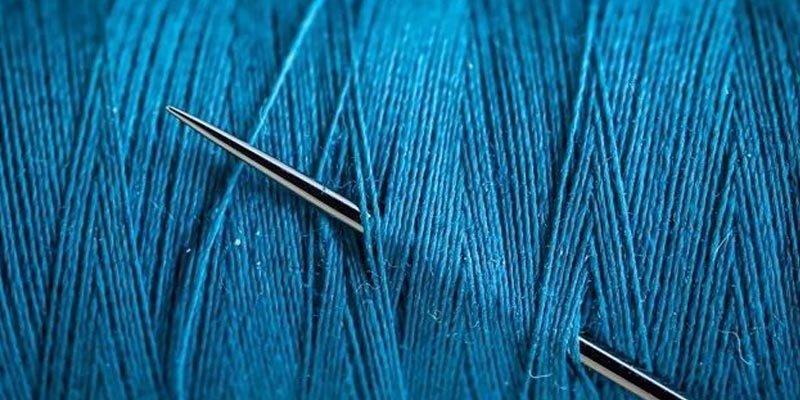
Confused about thread and yarn in your textile projects? Using the wrong one can ruin your work. Let’s clear up this common mix-up for good.
Sewing thread is a fine, strong ply yarn designed for stitching fabric pieces together. In contrast, yarn is a thicker, softer strand used to create entire fabrics through knitting or weaving.
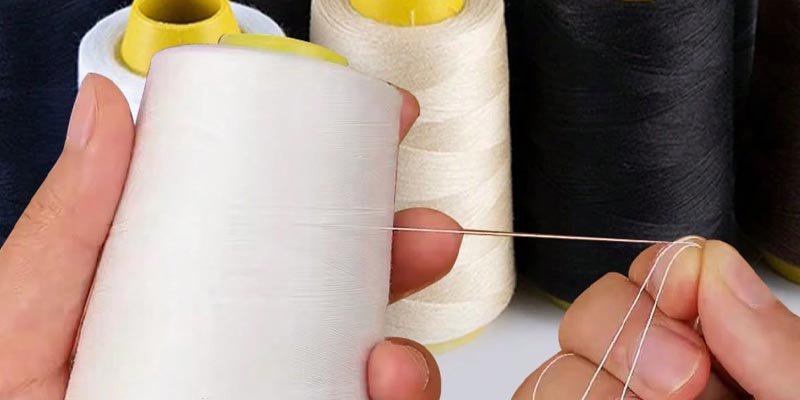
When I first started in a textile factory, this was one of the first lessons I learned. It seems small, but understanding this difference is fundamental to everything we do in the textile industry. A strong seam needs the right thread, and a soft sweater needs the right yarn. They are building blocks, but for very different parts of the structure. Let's look closer at what makes each one unique and perfect for its job.
What Exactly Is Yarn?
Struggling to picture what makes yarn, well, yarn? It's more than just a ball of wool. It’s the very foundation of the fabrics we wear and use every day.
Yarn is a long, continuous strand made of interlocked fibers. It is primarily used to create new textiles like fabrics and garments through methods like knitting, weaving, or crocheting.
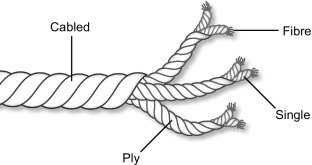
In my years of running Honghui Textile, I've seen countless types of yarn. At its core, yarn is all about turning raw fibers into a usable strand for making something new. Think of it as the raw material for fabric creation. We take fibers—either short ones (staple fibers) like cotton or long ones (filaments) like silk or polyester—and spin them together. This twisting process is what gives yarn its integrity and character. The direction and amount of twist can dramatically change the yarn's texture, strength, and appearance. This versatility is why yarn is the star of the show in activities like knitting a sweater or weaving a blanket. It's designed to be soft, flexible, and bulky enough to build up fabric quickly.
Key Characteristics of Yarn
| Feature | Description | Common Use |
|---|---|---|
| Purpose | To construct fabric from scratch. | Knitting, weaving, crocheting. |
| Structure | A soft, often thick, continuous strand of twisted fibers. | Sweaters, blankets, scarves, upholstery fabric. |
| Materials | Natural fibers (wool, cotton) or synthetic fibers (acrylic, nylon). | Garments, home textiles. |
| Texture | Can range from very soft and fluffy to coarse and textured. | Varies by project need. |
What Exactly Is Sewing Thread?
Think all threads are the same? Using a weak or thick thread for seams can cause them to break or pucker. A good thread is an unsung hero.
Sewing thread is a specialized, fine type of yarn that is twisted and treated to be extra strong and smooth. Its main purpose is to join pieces of fabric together.
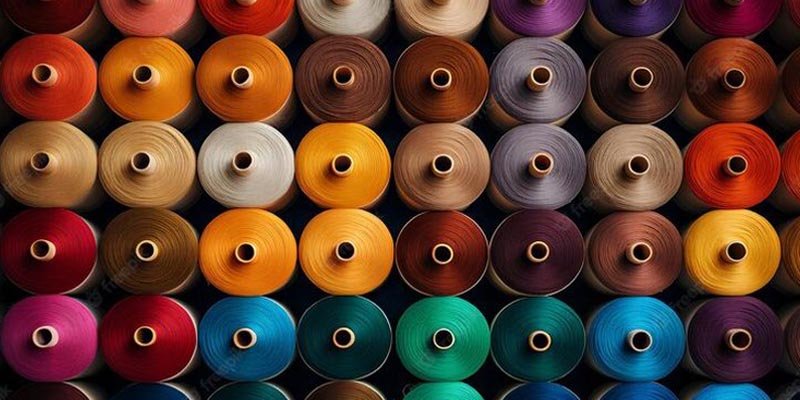
I've dedicated my career to perfecting products like sewing thread because I know its importance firsthand. Unlike yarn, which creates fabric, thread is engineered to hold fabric together under stress. We start with fine yarns and twist two or more of them together, a process called plying. This multi-ply structure is what gives sewing thread its superior strength. After plying, we often add a finish or lubricant. This gives it that smooth surface, allowing it to glide through fabric and a sewing machine needle without snagging or fraying. It's designed for durability and precision, not for building the fabric itself. When you see a seam on a pair of jeans, that’s the work of high-strength sewing thread, not knitting yarn.
Key Characteristics of Sewing Thread
| Feature | Description | Common Use |
|---|---|---|
| Purpose | To stitch seams and join fabric pieces. | Garment construction, quilting, embroidery. |
| Structure | A smooth, fine, and very strong strand made of plied yarns. | Seams, hems, topstitching. |
| Materials | Often polyester or cotton, engineered for strength. | All types of sewing projects. |
| Texture | Smooth and uniform to reduce friction during sewing. | Machine and hand sewing. |
When Should You Use Yarn vs. Sewing Thread?
Choosing between yarn and thread for a project? Making the wrong choice can lead to a garment falling apart or a fabric that doesn't feel right. Let's make it simple.
Use yarn when your goal is to create the fabric itself, like in knitting or weaving. Use thread when your goal is to join existing pieces of fabric together securely.
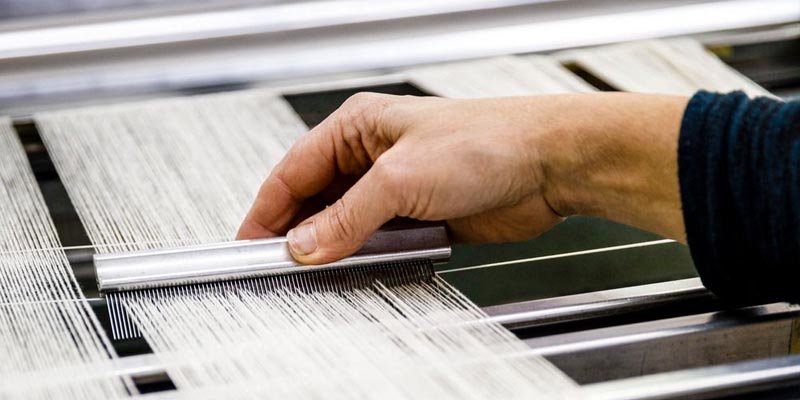
This is where the practical application really matters. I've helped countless clients select the right material, and the decision always comes down to the job at hand. You would never try to sew a dress shirt together with bulky knitting yarn; the seams would be thick, weak, and awkward. The yarn would snag and likely break under the tension of a sewing machine. Conversely, trying to knit a sweater with sewing thread would be an almost impossible task. It would take forever, and the resulting fabric would be thin, stiff, and lack the cozy feel you want from a knit garment. The rule is simple: yarn is for making, and thread is for joining. By sticking to this, you ensure both the beauty and the durability of your final product.
Simple Use-Case Guide
| Project | Material to Use | Why? |
|---|---|---|
| Knitting a scarf | Yarn | You are creating the fabric from scratch. |
| Hemming a pair of pants | Sewing Thread | You are joining one piece of fabric to another. |
| Weaving a rug | Yarn | You are constructing the body of the rug. |
| Quilting | Sewing Thread | You are stitching through layers of fabric to join them. |
| Crocheting a hat | Yarn | You are building the structure of the hat itself. |
| Attaching a button | Sewing Thread | You are securing a small item to an existing fabric. |
Conclusion
In short, yarn creates fabric and thread joins it. Understanding this basic difference will help you choose the right material and ensure your textile projects are always successful.
