
Struggling with inconsistent yarn quality in compact spinning? This issue causes higher defect rates and waste. Focusing on key production factors is the solution to achieving superior yarn.
The key to improving compact spinning quality lies in five main areas. You must control negative pressure, ensure smooth fiber sliver movement, and maintain stable workshop temperature and humidity. Also, setting correct cradle pressure and optimizing spinning process parameters are essential.
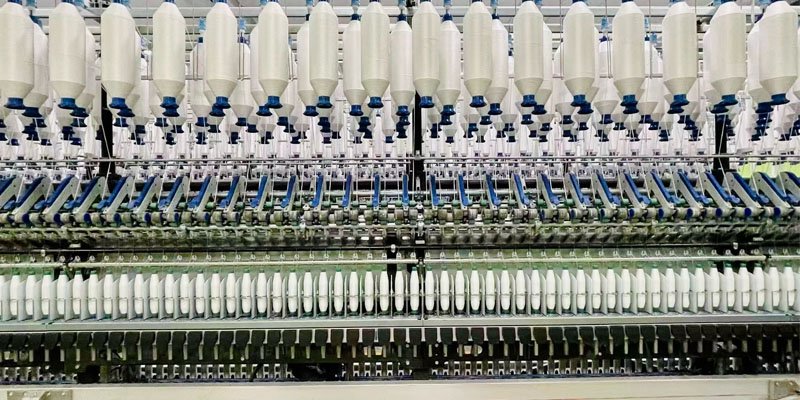
Achieving excellent yarn quality is a complex process. Many different elements work together. It's not just about one single adjustment. We need to look at the whole picture to understand how each part affects the final product. Let's break down each of these key factors one by one to see how we can make real improvements in our production line.
How Does Negative Pressure Affect Yarn Quality?
Seeing high breakage rates and excessive hairiness in your yarn? These problems might stem from inconsistent negative pressure, a common but overlooked issue in compact spinning.
Negative pressure directly impacts yarn quality. It must be stable, typically between 24-30 mbar. Low pressure increases hairiness and breakage. Regularly cleaning the fan's filter box is crucial to maintain this pressure and ensure consistent yarn quality from start to finish.
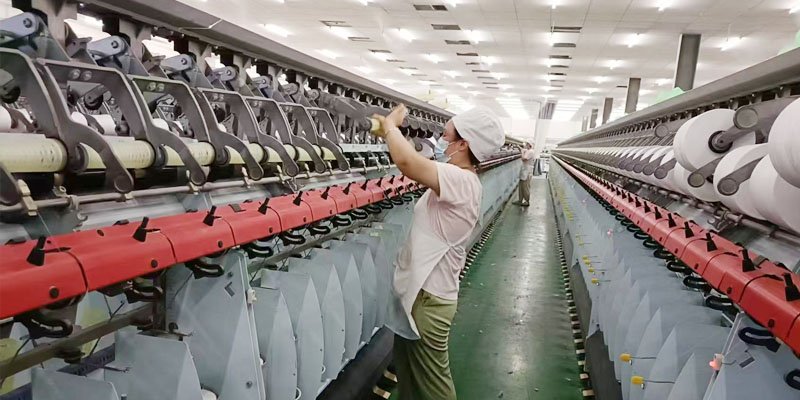
Breaking Down Negative Pressure Control
The pressure inside the negative pressure tube is probably the most critical factor we deal with. Think of it as the force that compacts the fibers. If it's too weak, the fibers don't get condensed properly. We've found through testing that keeping the pressure between 24 and 30 mbar is the sweet spot. When it drops below this range, we see more thread breaks and a noticeable increase in yarn hairiness.
One simple but vital task is keeping the fan's air plenum clean. Lint and dust buildup can choke the system and cause the pressure to drop. This is why we have a strict cleaning schedule. We also found that the pressure can vary from the headstock to the tailstock of the machine. To fix this, we sometimes slightly increase the fan speed. This small adjustment helps even out the pressure along the entire machine, leading to more uniform yarn quality.
| Spindle Count | Recommended Fan Power | Optimal Pressure Range |
|---|---|---|
| 1008 Spindles | 4.2 kW | 24 - 30 mbar |
| 512 Spindles | 2.4 kW | 24 - 30 mbar |
Why is the Sliver's Movement on the Negative Pressure Tube so Important?
Is your yarn evenness not up to standard? The problem could be how your fiber sliver moves. Unstable movement creates inconsistencies that directly affect the final yarn quality.
A smooth, straight movement of the fiber sliver is essential for good yarn evenness. If the sliver sags or sways in the "uncontrolled zone" between the roller and the tube, quality suffers. This is often caused by incorrect pressure, static, or dirty rollers.
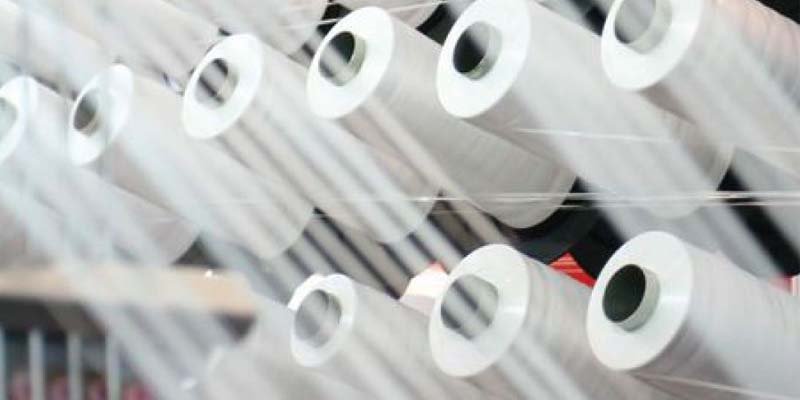
Ensuring Stable Fiber Sliver Movement
The journey of the fiber sliver across the negative pressure tube is a critical moment. Ideally, the sliver should move in a perfectly straight line, constantly being condensed by the suction. However, things can go wrong in the small gap between the delivery roller and the suction tube—what we call the "uncontrolled zone." If the sliver sags or wobbles here, it directly impacts the final yarn's evenness.
So, what causes this instability? We've found several culprits. Too much pressure from the cradle, static electricity buildup, or a dirty roller surface can all disrupt the sliver's path. Even a slight drop in negative pressure can be enough to cause problems. To prevent this, we use slightly less cradle pressure for compact spinning. We also choose anti-static mesh aprons and are very strict about keeping our rollers and aprons clean and smooth. A stable process here means a more uniform final product.
| Problem | Cause(s) | Solution(s) |
|---|---|---|
| Sliver Sagging/Swaying | High cradle pressure, static, dirty rollers | Lower cradle pressure, use anti-static parts |
| Poor Condensing | Low negative pressure | Increase/stabilize negative pressure |
How Do Workshop Temperature and Humidity Affect Compact Spinning?
Optimizing yarn quality is a complex task with many interconnected factors. By systematically managing negative pressure, sliver movement, workshop climate, cradle pressure, and spinning parameters, we can achieve the best possible results. A holistic approach is always the key to superior yarn at Honghui Textile.
