
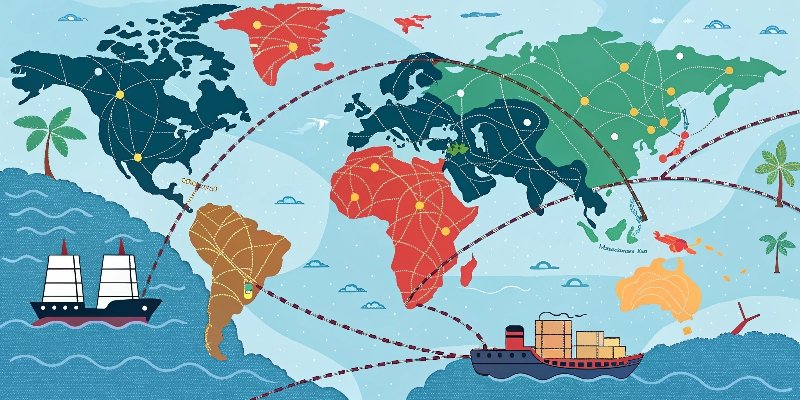
The textile world is changing fast. Xinjiang signs huge deals, the UK cuts Indian tariffs, and the US keeps changing its import rules. Who wins in this new game?
The textile industry's next big opportunity lies in adapting to shifting trade policies and supply chain changes. Companies that balance short-term wins with long-term vision will survive the storm.
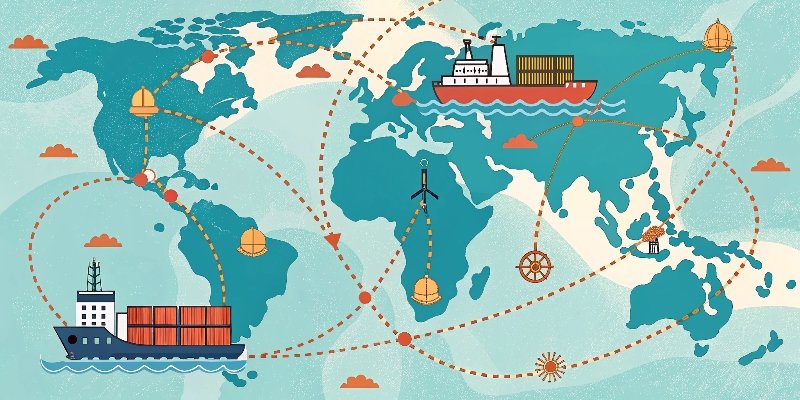
From my experience at Honghui Textile, I see these shifts creating both risks and chances. The key is not just reacting to today's news, but strategically preparing for tomorrow's market. Staying informed helps us stitch a stronger future.
Xinjiang's Big Textile Deals: Boom or Bubble?
Xinjiang has signed contracts worth billions in textile projects. This looks like great news for China's textile sector, but is it really sustainable?
These investments boost local production capacity significantly. But smart companies must balance this supply growth against real global demand to avoid a market glut.

The huge investments in Xinjiang aim to strengthen China's control over the textile supply chain, from cotton to fabric. This can lower costs and increase output. But there are two major things to consider. First, many international brands are still very cautious about sourcing from the region due to ethical concerns, which can limit market access. Second, focusing too much on basic material production might slow down China's move towards higher-value, more technical textiles. For a business to succeed long-term, it’s not just about producing more. It’s about producing what the right customers want to buy. We must watch if this new capacity creates a price war or just sits idle.
UK-India Free Trade: A Threat to Chinese Exports?
Britain is moving to remove tariffs on Indian textiles. This move could create direct and tough competition for Chinese exporters in the UK market.
The UK-India deal means Chinese firms can no longer compete on price alone. They must now win by offering superior quality, innovation, and faster delivery.

India has strong advantages in cotton production and lower labor costs. This makes its basic textiles very competitive. However, China's textile industry still leads in manufacturing efficiency, advanced technology, and product variety. The key is to leverage these strengths. Many UK brands depend on Chinese suppliers for complex orders and consistent quality that others cannot yet match. The new trade deal will likely shift orders for simple, high-volume goods to India. But China can secure its market share by focusing on specialized fabrics, sustainable materials, and quick-turnaround fashion. Building stronger partnerships with UK clients now is essential to understanding their future needs.
US Tariff Turbulence: How to Stay in the Game?
US tariff policies on Chinese goods are constantly changing. This creates instability and makes long-term business planning very difficult for textile exporters.
To handle US tariffs, businesses must stay flexible. This means finding new markets, adjusting product lines, and strengthening relationships with buyers.
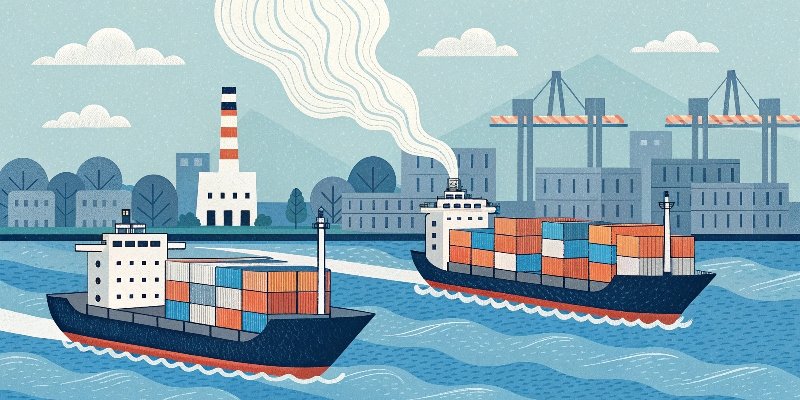
The US remains a huge market, but its unpredictable rules require smart strategies. Some companies are moving parts of their production to countries like Vietnam or Mexico to avoid high duties. This is a good way to manage risk. Others are shifting their focus to products that have lower tariffs, like specialized technical yarns or high-end finished goods. Building strong, trusting relationships with American importers is also critical. When rules suddenly change, a good partner will work with you to find a solution. The best strategy is not putting all your eggs in one basket. Explore opportunities in growing markets like Southeast Asia, South America, and even within China's own domestic market to build a more resilient business.
Conclusion
The textile industry faces complex challenges. The companies that succeed will be those that adapt quickly, invest wisely, and never compromise on quality.
