
Struggling with yarn defects that ruin your fabric? These flaws hurt quality and profits, making consistent production a constant challenge. It's a frustrating cycle for any textile manufacturer.
You can fix the most common roving defects by focusing on two key areas: operational management and equipment maintenance. Proper operator training, strict cleaning schedules, and regular machine checks will significantly reduce yarn flaws and improve overall quality.

At Honghui Textile, we understand that producing strong, reliable thread starts long before the final stitch. Carded cotton yarn is the foundation for countless products, but defects at the roving stage can cause major headaches down the line. These issues not only affect the yarn's grade but also impact the final fabric's appearance and durability. This hurts us as a yarn producer and creates problems for the weavers who rely on our products. Over the years, I've seen firsthand how these small flaws can lead to big losses. I want to share what we've learned about the three most common roving defects and how we tackle them head-on. Let's dive in.
Why Does Your Yarn Have Thick and Thin Spots?
Are you seeing inconsistent thickness in your weft yarns? These thick and thin spots create an uneven fabric surface and weaken the final product. It's a persistent issue that disrupts production.
Thick and thin spots are caused by both operator error and machine issues. Improper piecing, rough machine surfaces that snag fibers, and faulty stop-motion devices are primary culprits. Solving this requires better operator training and diligent equipment maintenance.
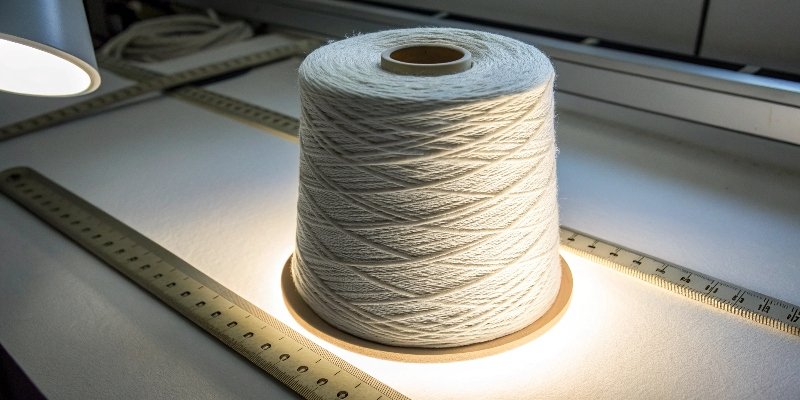
Let's break down the causes of this frustrating defect. From my experience, it's rarely just one thing. It's usually a combination of small issues in both how people work and how the machines are running. By looking at both, we can systematically eliminate the problem.
Identifying the Root Causes
The sources of thick and thin spots can be grouped into operational actions and mechanical failures. An operator joining a broken end incorrectly can create a weak or bulky spot instantly. Similarly, if a fiber gets snagged on a rough part of the machine, it can either bunch up or stretch out the sliver. A broken end that isn't caught immediately because a self-stop device fails is a classic cause of a thin spot, or "single."
A Structured Approach to Solutions
We need to address this with a two-pronged strategy. First, we empower our team through better training and clear procedures. Second, we implement a strict maintenance schedule to keep our machines in top condition.
| Defect Cause | Operational Solution | Equipment Solution |
|---|---|---|
| Improper Piecing | Train operators on correct joint length and tension for consistent splices. Conduct regular skill drills. | N/A |
| Fiber Snagging | Instruct operators to report any rough parts or visible fiber buildup immediately. | Regularly inspect and polish all parts the sliver touches, like condensers, trumpets, and flyer passages. |
| Floating Fibers | Emphasize quick response to broken ends to prevent them from entering adjacent slivers. | Test self-stopping mechanisms daily. Repair or replace faulty sensors immediately so fewer slivers are fed. |
| Roller Lapping | Train operators on the correct procedure for cleaning lapped fibers from rollers without leaving behind thin strands. | Ensure rollers are clean, polished, and have the correct surface finish to minimize lapping. |
What Causes Slubs to Appear in Your Yarn?
Finding random, thick bumps or "slubs" in your yarn? These defects spoil the smooth appearance of fabric and can even break needles during knitting or weaving. They are a clear sign of contamination.
Slubs are typically caused by stray fibers, lint, or oil getting tangled into the yarn. This happens when cleaning procedures are poor, machine parts are worn, or cleaning systems like suction fans are not working correctly.

Slubs are essentially foreign material in the yarn. They can be clumps of short fibers, greasy patches from machine maintenance, or just lint that has been flying around the workshop. These defects are almost always preventable with good housekeeping and well-maintained machinery. A small clump of lint on a roller can quickly get picked up by the sliver and form a noticeable slub.
Tracking Down the Source of Slubs
To effectively combat slubs, we must be detectives. We have to look at every stage where loose fibers or contaminants could possibly enter the yarn stream. This starts with how we handle raw cotton and extends all the way through the roving process.
Eliminating Slubs Through Diligence
Preventing slubs is all about control and cleanliness. We control the process by setting clear standards for our operators and our maintenance team. And we maintain cleanliness through a relentless focus on keeping the machines and the entire production environment free of stray fibers.
| Type of Slub | Common Cause | How to Prevent It |
|---|---|---|
| Lint Slubs | Lint from under the carding machine or buildup on rollers gets incorporated into the sliver. Poor suction from cleaning systems. | Implement a strict schedule for cleaning under machinery. Ensure operators regularly clean roller clearers and check that suction systems have adequate power. |
| Flyer Slubs | Loose fibers accumulate on the roving machine's flyer and then fall into the yarn. This is often caused by sloppy "blowing down" practices. | Prohibit operators from using air guns to clean machines while they are running. Manually wipe down flyers and other parts instead. |
| Mechanical Slubs | Worn gears or loose parts cause an intermittent drafting motion, creating a thick spot. | Regularly inspect transmission gears for wear and proper engagement. Check for any loose keys or worn shaft holes and replace parts as needed. |
| Oil/Grease Slubs | Careless oiling or greasing during maintenance leads to contamination of the cotton. | Use a T-shaped oil gun to apply lubricants precisely. Train maintenance staff to be meticulous and to clean up any spills immediately. |
How Do You Solve Unevenness in Your Yarn?
Is your yarn's overall evenness, or "count," inconsistent? This variation, known as poor CV%, leads to finished fabrics with streaks and patches. It's a subtle but critical defect for quality.
Yarn unevenness stems from mechanical issues in the drafting zone or inconsistent process parameters. Incorrect roller spacing, worn parts, improper pressure, or fluctuations in temperature and humidity are the main causes. Consistent maintenance and process control are the solution.
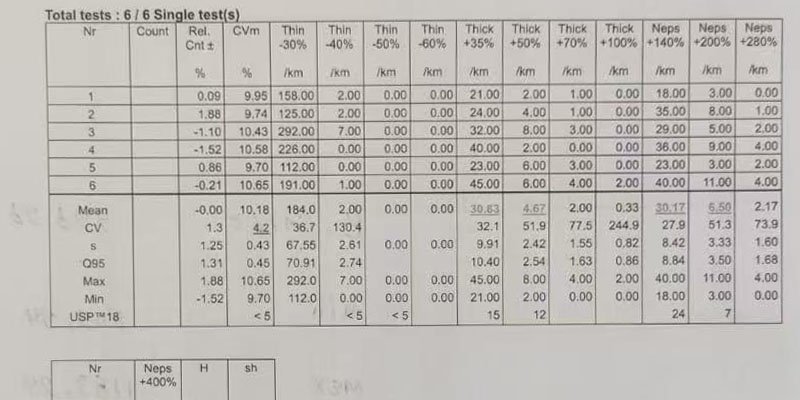
Unevenness is different from individual thick or thin spots. It's a more persistent variation along the length of the yarn. It can be a repeating, wave-like pattern (a sign of a mechanical fault, like an eccentric roller) or a random variation (often a drafting problem). This defect indicates that our control over the fiber flow is not as precise as it needs to be. The drafting force might be greater than the fiber control force, causing fibers to slip and slide uncontrollably.
Diagnosing the Type of Unevenness
The first step is to determine if the unevenness is regular or irregular. Regular, repeating patterns point directly to a mechanical problem, like a bad gear or a damaged roller. Irregular unevenness is trickier and usually relates to drafting settings, raw material, or environmental conditions.
Achieving Consistency Through Precision
Fixing yarn unevenness is all about precision and stability. Every mechanical component must be in perfect condition, and every process setting must be optimized and maintained.
Key Factors for Better Yarn Evenness
| Area of Concern | Specific Problem | Solution |
|---|---|---|
| Drafting Zone | Incorrect roller spacing (too wide or too narrow). Worn or damaged aprons and rollers. Improper roller pressure. | Optimize roller gauge settings based on fiber length. Regularly inspect and replace bottom aprons if they are worn or off-track. Check pressure systems to ensure they provide consistent, even pressure. |
| Mechanical Transmission | Worn transmission gears causing jerky movements. Roller bearings or cores lacking lubrication. | Conduct periodic inspections of all gears and replace any that are non-standard or show wear. Maintain a strict lubrication schedule for all moving parts. |
| Material & Environment | High sugar content in raw cotton making fibers sticky. Sudden changes in workshop temperature and humidity affecting fiber behavior. | Test raw cotton for sugar content and apply appropriate treatments if needed. Maintain stable temperature and humidity levels in the workshop and keep detailed records. |
| Sliver Handling | Damaged sliver cans or weak springs causing false drafts. Condensers too small or not smooth, restricting sliver flow. | Regularly inspect and replace any damaged sliver cans. Ensure condensers are the correct size for the sliver and have a smooth inner surface. |
Conclusion
In summary, fixing these three common roving defects comes down to discipline in our operations and diligence in our maintenance. By training our team, keeping our workshop clean, and ensuring our equipment is in peak condition, we can consistently produce the high-quality yarn our customers expect.
