
How Does Spinning Process Design Affect Yarn Quality and Breakage Rate?
The spinning process design is crucial for ensuring stable yarn quality. Poor design can lead to inconsistent results and frequent breakages, wasting materials and time. Proper spinning process design combines fiber characteristics, machine condition, and equipment configuration to achieve optimal yarn quality with minimal breakage. Every textile manufacturer knows that yarn quality and breakage rate […]
How Can You Fix Common Defects in Carded Roving Yarn?
Struggling with yarn defects that ruin your fabric? These flaws hurt quality and profits, making consistent production a constant challenge. It’s a frustrating cycle for any textile manufacturer. You can fix the most common roving defects by focusing on two key areas: operational management and equipment maintenance. Proper operator training, strict cleaning schedules, and regular […]
What Are the Key Factors for Improving Compact Spinning Quality?
Struggling with inconsistent yarn quality in compact spinning? This issue causes higher defect rates and waste. Focusing on key production factors is the solution to achieving superior yarn. The key to improving compact spinning quality lies in five main areas. You must control negative pressure, ensure smooth fiber sliver movement, and maintain stable workshop temperature […]
How Can Spinning Mills Tackle Fiber Entanglement and Fire Risks in Summer?
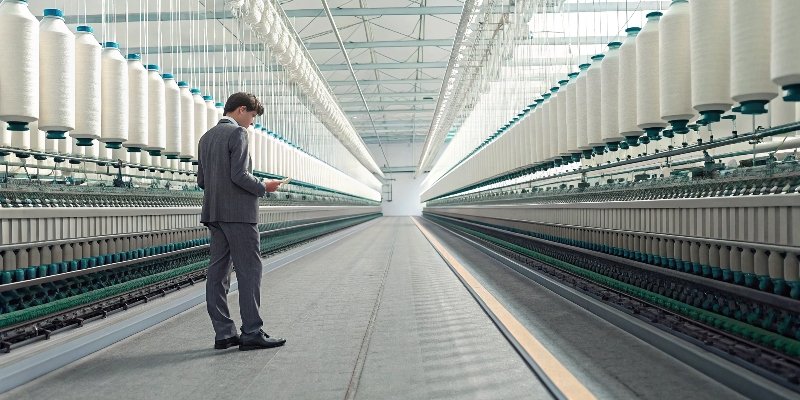
Summer’s high heat and humidity make fibers sticky and tangled, hurting your production. This frustrating mess can even create dangerous fire hazards, putting your entire operation at risk. To manage summer challenges, mills must control workshop temperature and humidity, ideally with HVAC systems. Regularly maintain machinery to prevent friction, manage raw material moisture, and enforce […]
How can you master quality control for the double twisting process?
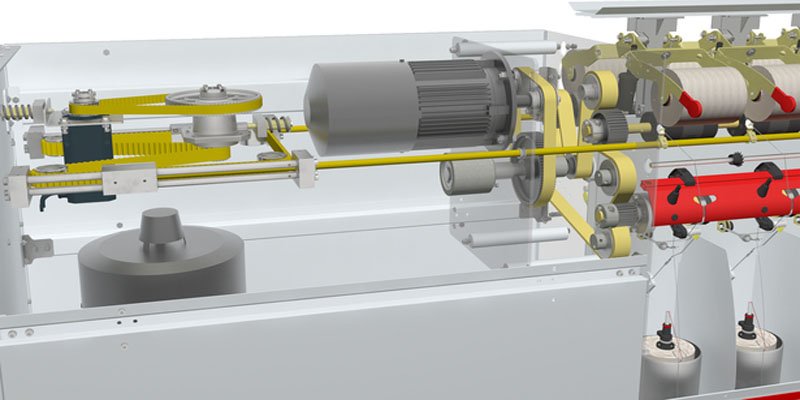
Struggling with inconsistent yarn quality despite using advanced machines? Over 80% of quality issues still require manual control, making a robust management system absolutely essential for success. To guarantee the quality of your finished yarn, you must establish a comprehensive quality management system. This involves standardizing employee operations and consistently implementing all work procedures according […]
How Does Sewing Thread Package Winding Density Affect Dyeing?
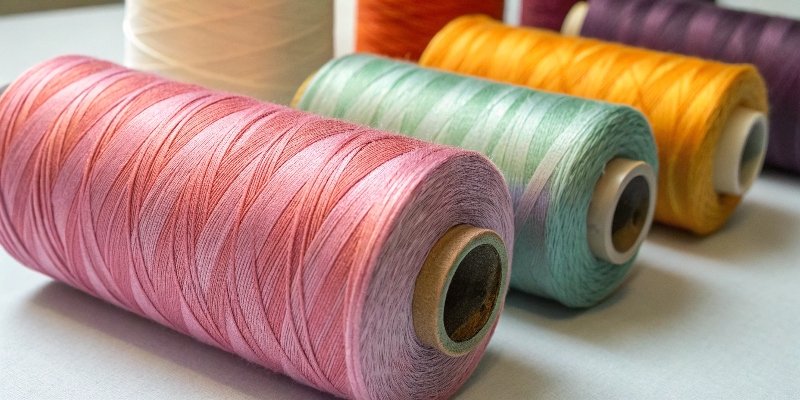
Uneven dyeing results wasting your time and money? This common frustration often points to a single, overlooked factor: the winding density1 of your thread package. Package winding density directly impacts dye liquor flow2. If it’s too loose (low density), dye channels through, causing light spots. If it’s too tight (high density), dye can’t penetrate evenly, […]
Can polyester thread be used with cotton fabric?
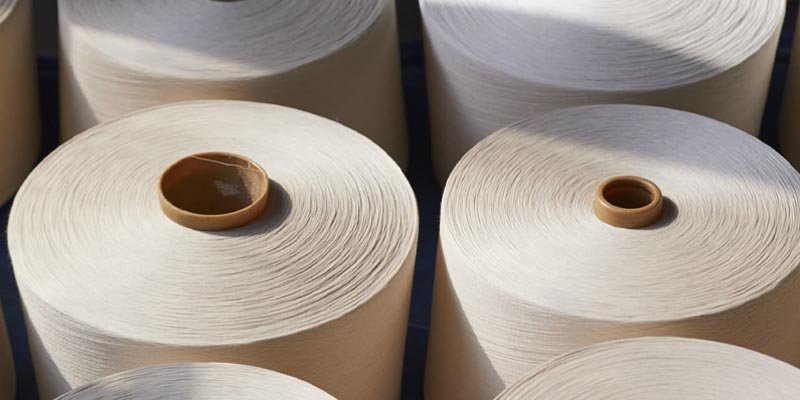
Choosing the wrong thread can ruin your beautiful cotton project with puckered seams or broken stitches. Using polyester thread on cotton can seem confusing, but it doesn’t have to be. Yes, you can absolutely use polyester thread with cotton fabric. It is a very common and often preferred choice due to its strength and durability. […]
What Is the Difference Between Sewing Thread and Yarn?
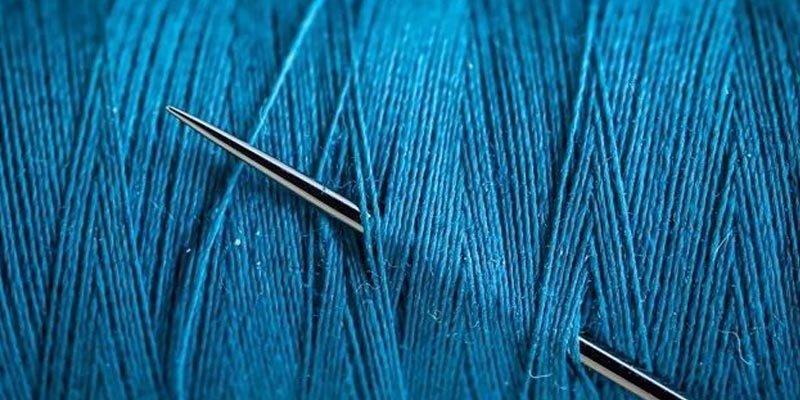
Confused about thread and yarn in your textile projects? Using the wrong one can ruin your work. Let’s clear up this common mix-up for good. Sewing thread is a fine, strong ply yarn designed for stitching fabric pieces together. In contrast, yarn is a thicker, softer strand used to create entire fabrics through knitting or […]
Are You Underestimating the Drawing and Roving Process in Yarn Spinning?
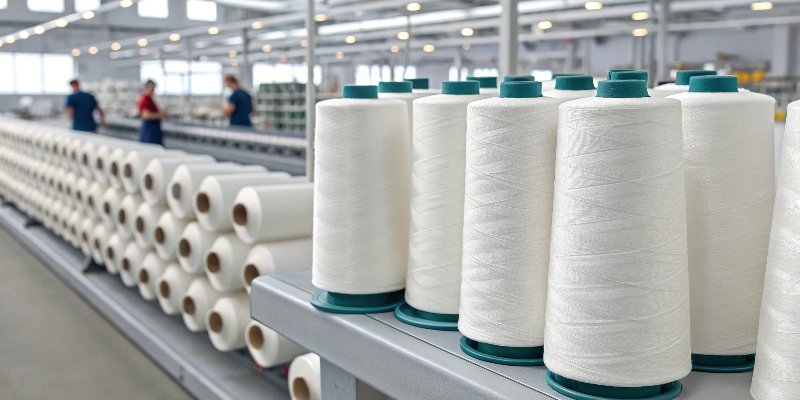
Are you focused on improving your yarn, but still finding defects in the final product? Maybe you are overlooking a critical stage that others often ignore. The drawing and roving processes1 are not just intermediate steps. They are essential for creating uniform, high-quality yarn. Neglecting them is a common mistake that allows many defects to […]
How Do You Effectively Manage a Yarn Factory?

Is running your yarn factory feeling chaotic and overwhelming? This disorganization can lead to missed deadlines, low morale, and inconsistent quality, directly hurting your business’s success. Effective factory management comes from creating clear rules and principles, then strictly enforcing them. Focus on balanced production schedules, strong quality control systems, and clear guidelines for your employees. […]