
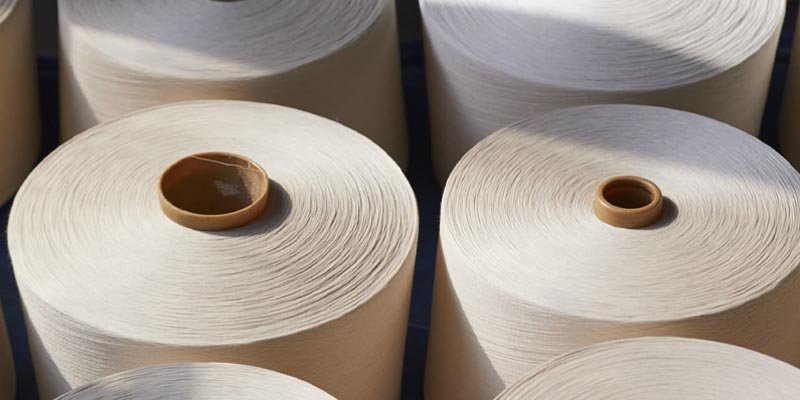
Choosing the wrong thread can ruin your beautiful cotton project with puckered seams or broken stitches. Using polyester thread on cotton can seem confusing, but it doesn't have to be.
Yes, you can absolutely use polyester thread with cotton fabric. It is a very common and often preferred choice due to its strength and durability. It’s an excellent option for cotton garments and items that require strong seams that will endure frequent use and washing.
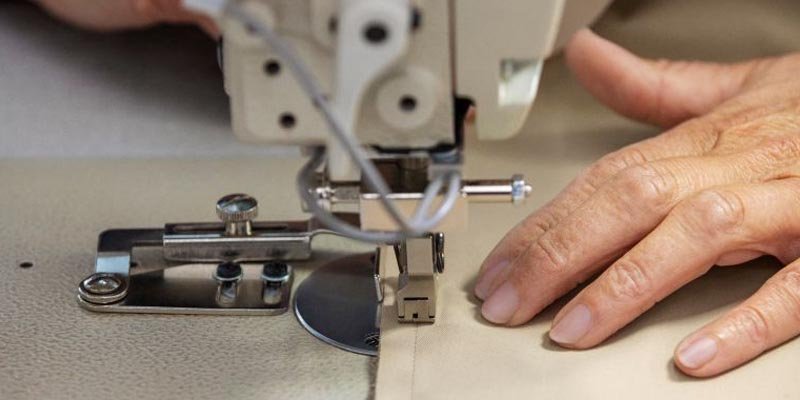
An industry peer once told me about a large order of cotton work shirts where the team was split over whether to use cotton thread or polyester thread; after heated debate, they ultimately chose polyester sewing thread. That episode taught me valuable lessons about matching thread performance to fabric requirements. It’s not only about what’s possible, but about what’s optimal for your project. Let’s explore the details so you can sew with confidence and achieve professional, long-lasting results every time.
Polyester vs Cotton Thread – How to Choose the Right One?
Staring at spools of polyester and cotton thread can be confusing. Making the wrong choice can lead to weak seams or a finish that just doesn't feel right for your project.
Choose cotton thread for 100% cotton projects where a soft, natural finish is the priority, like quilting. Use all-purpose polyester thread for its superior strength and durability, especially on blends, synthetics, or any item that will see a lot of wear and tear.
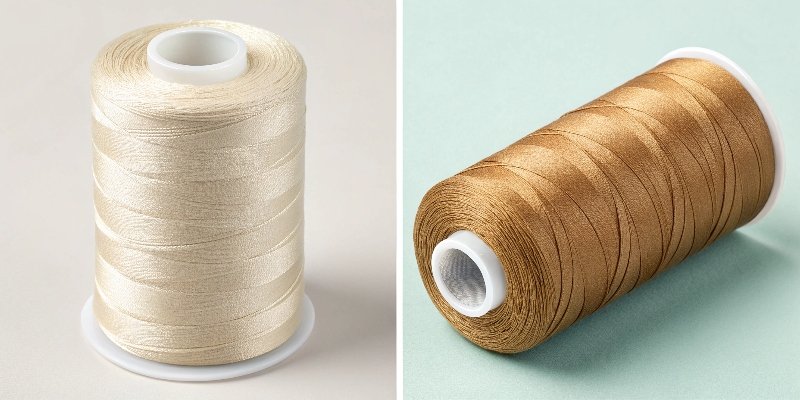
Choosing between polyester and cotton thread really comes down to understanding the job you need the thread to do. In my factory, we think of it as hiring the right specialist for the task. I often discuss this with my lead textile engineer, Jacky. He simplifies it perfectly: "Match the thread's character to the fabric's purpose."
Strength and Durability
Polyester is a synthetic powerhouse. It's engineered for strength and resilience. It doesn't stretch or shrink, and it stands up incredibly well to abrasion, mildew, and even sunlight. This makes it my go-to choice for anything that needs to last. Think about kids' clothes that are constantly being washed, sturdy canvas tote bags, or workwear meant to endure tough conditions. Cotton thread, while strong, is a natural fiber. It's not as resistant to abrasion and can be weakened by moisture and mildew over time. For projects demanding the highest level of durability, polyester is the clear winner.
Feel and Finish
This is where cotton thread has its moment to shine. Cotton thread melts into cotton fabric, creating a soft, seamless finish with a lovely matte look. It's the preferred choice for quilters because it wears at the same rate as the cotton fabric. For delicate heirloom projects or lightweight cotton garments where a soft hand-feel is critical, cotton thread is superb. Polyester thread has a slight sheen and can feel a bit stiffer, which might slightly alter the drape of very fine, lightweight cottons.
To make it easier, here's a simple table we use as a quick reference at Honghui Textile.
| Feature | Polyester Thread | Cotton Thread |
|---|---|---|
| Material | Synthetic | Natural |
| Strength | Very High | Moderate |
| Durability | Excellent | Good |
| Stretch | Very Low | Low (can shrink) |
| Best For | All-purpose sewing, heavy-duty seams, synthetics | Quilting, lightweight cottons, heirloom sewing |
What can polyester thread be used for?
You have a spool of polyester thread, but you're not sure what projects it's best for. Using it incorrectly could result in seams that are too stiff for your fabric.
Polyester thread is a versatile workhorse ideal for most sewing projects. Its strength makes it perfect for seams that need to withstand stress, such as on clothing, home decor, upholstery, outdoor gear, and heavy fabrics like denim or canvas. It's the standard "all-purpose" thread.
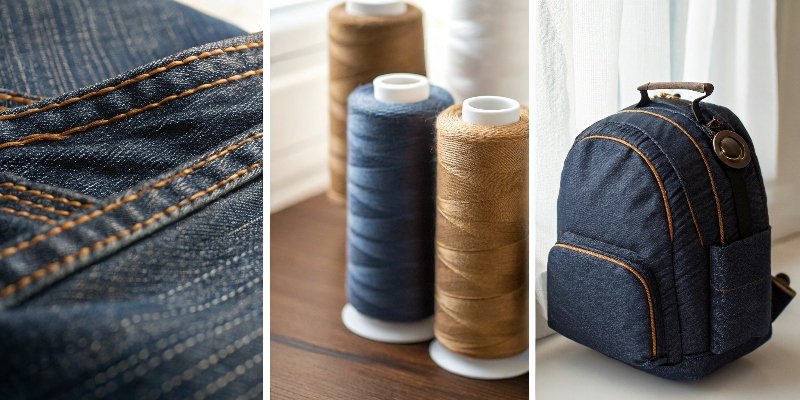
If I could only have one type of thread in my sewing kit, it would be an all-purpose polyester. Its versatility is unmatched, and in my factory, it accounts for a huge percentage of the thread we use daily. It's reliable, strong, and performs well across a massive range of applications. Let’s break down where this thread truly excels.
Everyday Apparel and Home Decor
For most of the clothes you sew and wear, polyester thread is a fantastic choice. It works well on natural fibers like cotton, synthetics like rayon, and blends. The seams on shirts, trousers, and dresses made with polyester thread will hold up beautifully to the stresses of daily wear and machine washing. The same logic applies to home decor. For items like curtains that are exposed to sunlight, or cushion covers that get a lot of use, polyester's resistance to UV rays and abrasion ensures they stay looking great for longer.
Heavy-Duty Applications
This is where polyester thread’s superior strength is non-negotiable. For any project that will be under significant strain, you need a thread that won't give up. Think about sewing jeans. The seams on denim have to be tough, and polyester provides that strength. It’s also my only choice for projects like backpacks, canvas bags, and outdoor gear like tents or equipment covers. In these cases, its resistance to rot and moisture is just as important as its raw strength. This is why we used polyester thread for those cotton work shirts I mentioned earlier; durability was the number one priority.
Are there any downsides to using polyester thread on cotton fabric?
You're worried that using a strong synthetic thread might harm your soft cotton fabric. What if the seam puckers or feels stiff, ruining the final project you worked so hard on?
The primary downside is a potential difference in feel and texture. Polyester is stronger and stiffer than cotton thread. On very lightweight or delicate cottons, it might cause slight puckering or feel less soft. However, these issues are easily avoided with simple testing.
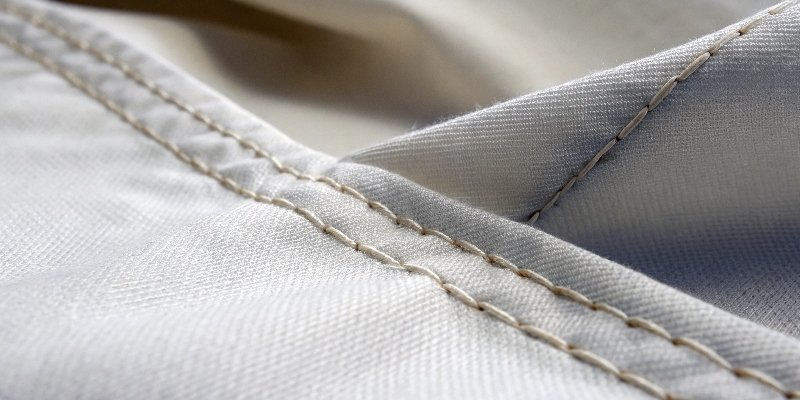
While polyester thread is a great all-rounder, it's not always a perfect match without a little thought. It’s like using a powerful tool; you just need to know how to handle it correctly. Over the years, I've seen sewers run into a few minor issues, but they are all simple to prevent.
Managing Softness and Feel
Cotton fabric is loved for its natural softness, and cotton thread shares that characteristic. When you sew cotton with cotton thread, the two merge together beautifully. Polyester thread is slicker and less pliable. On a very soft, delicate fabric like a cotton voile or a baby’s flannel blanket, a polyester seam might feel slightly more noticeable or a bit rigid. For a project where the ultimate softness is the main goal, you might lean towards a high-quality cotton thread. For 90% of other cotton projects, the difference in feel is negligible and is a worthwhile trade-off for the added durability.
The Golden Rule: Always Test First
When customers ask similar questions, my engineer Jacky has a saying: “Before you start the real work, let the fabric and the thread have a conversation. This is the most important advice I can give.” Before mass-producing the main project, be sure to take a piece of fabric and do some test stitching with the sewing thread you plan to purchase.
Check a few things:
- Is there any puckering? If so, you may need to loosen your machine's upper tension slightly.
- How does the seam look? Is it sitting flat and smooth?
- How does it feel? Run your fingers over it. Are you happy with the texture?
This simple two-minute test will save your business thousands of dollars and countless hours by preventing large-scale mistakes. It’s the best habit you can develop in sewing.
Conclusion
Polyester thread is an excellent and strong choice for cotton fabrics. Simply choose your thread based on the project's need for durability versus softness, and always perform a quick test seam.
