
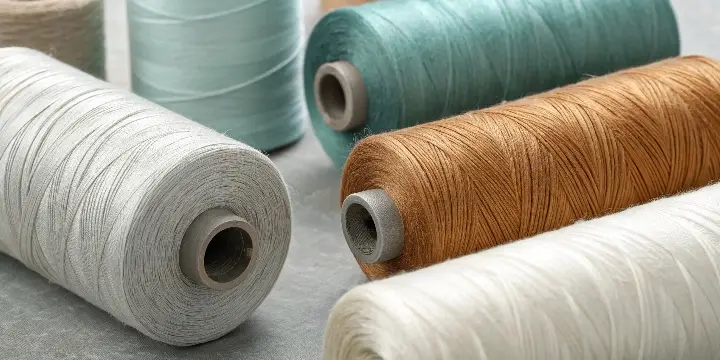
leading paragraph: You see "100% Polyester" on a label and think you know what you're getting. But this simple tag hides a world of variety, leading to confusion and missed opportunities.
snippet paragraph: No, they are not. Polyester fibers1 vary widely, from the common PET used in clothing to specialized types modified for better softness, easier dyeing, or even flame retardancy. Understanding these differences is key to choosing the right material for performance, quality, and feel.
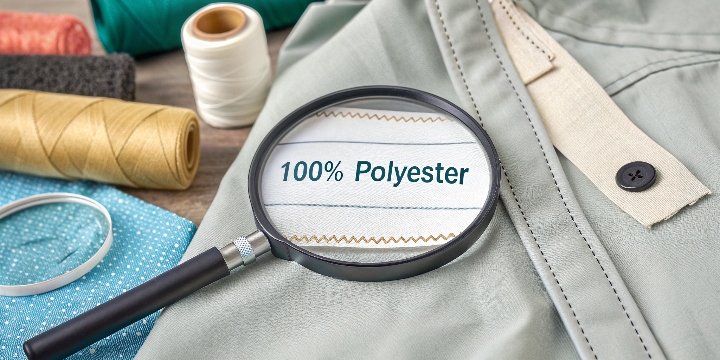
Transition Paragraph: I've learned that "polyester" is a family name, not a first name. In my early days, I treated them all the same, which was a mistake that cost a client a lot of money on a batch of dyed fabric. Today, I know that choosing the right type of polyester is just as important as choosing polyester itself. This knowledge can elevate a product from average to premium. Let's break down the different members of this versatile fiber family.
What Kinds of Polyester Fiber Are Widely Used?
leading paragraph: The industry uses acronyms like PET and PCDT, which can be confusing. This makes it hard for designers to specify the exact material they need for their products. Let me clarify.
snippet paragraph: The most widely used polyester fiber is PET (Polyethylene Terephthalate)2, which is the standard for apparel, home goods, and even plastic bottles. Other types, like PCDT, offer better elasticity, while modified polyesters3 provide special properties like low-temperature dyeing or flame resistance for specific needs.
Dive deeper Paragraph: In the world of textiles, PET is the undisputed champion. It's the workhorse fiber because it strikes an incredible balance of strength, durability, and cost. It's what most people think of when they hear "polyester." However, there are important variations. PCDT (Poly-1,4-cyclohexylene-dimethylene terephthalate)4 is another type you might encounter. While less common, it has greater elasticity and resilience than PET, making it a good choice for some heaver home furnishings like drapery and upholstery. Beyond these two, the real innovation comes from modified polyesters. We can change the fiber's chemical structure to achieve specific goals. This creates a whole new toolbox of materials for specialized applications, moving far beyond the simple PET you see on most clothing tags.
Common Polyester Types at a Glance
| Fiber Type | Full Name | Key Characteristic | Typical Use |
|---|---|---|---|
| PET | Polyethylene Terephthalate | Strong, versatile, cost-effective | Apparel, Bottles, Carpet |
| PCDT | Poly-1,4-cyclohexylene-dimethylene terephthalate | Elastic, resilient | Upholstery, Drapery |
| Modified | e.g., CDP, FR Polyester | Specialized properties | Technical Textiles, Apparel |
Knowing these main categories helps you start asking the right questions about your material needs.
Is There a Different Quality of Polyester Fiber?
leading paragraph: Have you ever bought two polyester shirts, where one feels soft and luxurious, and the other feels stiff and cheap? This isn't your imagination; the quality can vary dramatically.
snippet paragraph: Yes, there is a huge difference in quality. It depends on the raw materials (virgin vs. recycled), the manufacturing precision, and chemical modifications. These factors create polyester fibers that differ in softness, how well they take dye, color fastness, and even safety features like flame retardancy.
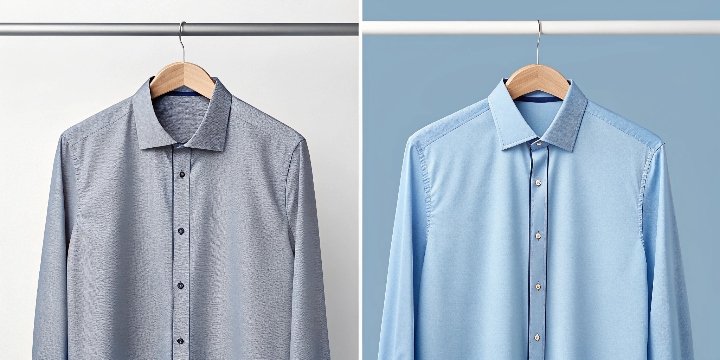
Dive deeper Paragraph: This is where my experience really helps clients. Quality isn't just about the base polymer; it's about what we do to it. I've built my business, Honghui Textile, on mastering these details. The differences come down to specific, engineered properties.
Dyeability and Color Fastness
Standard PET can be stubborn; it requires high heat and pressure to dye, which can stress the fabric. High-quality, Cationic Dyeable Polyester (CDP)5 is modified to accept dyes easily at lower temperatures. This results in more vivid, brilliant colors and better color fastness, meaning it won't fade as quickly after washing.
Softness and Feel
The physical shape of the fiber dictates its feel. We can extrude polyester into incredibly fine strands called microfibers6. These fibers are much thinner than a strand of silk and create fabrics that are exceptionally soft, lightweight, and drape beautifully. This is a clear marker of higher quality compared to thicker, standard-denier polyester.
Flame Retardancy
For applications like children's sleepwear, protective uniforms, or public upholstery, safety is the top priority. Flame Retardant (FR) polyester7 has a flame-retardant chemical integrated into its core during manufacturing. This is a permanent feature that can't be washed out, providing a level of safety that standard polyester cannot.
What Is the Most Popular Polyester Fiber?
leading paragraph: With all these specialized options, you might feel lost. For designers and manufacturers, knowing the industry standard is crucial for making smart, efficient decisions. So what is the default choice?
snippet paragraph: Standard PET (Polyethylene Terephthalate) is, by a very wide margin, the most popular and dominant polyester fiber in the world. Its unbeatable combination of strength, versatility, wrinkle resistance, and low cost makes it the go-to material for millions of products across countless industries.

Dive deeper Paragraph: There's a reason PET is king. When it was commercialized decades ago, its properties were revolutionary. I have watched it grow to dominate the industry because it solves so many problems at once. First, it is incredibly cost-effective to produce, which makes it accessible for nearly any project budget. Second, its versatility is unmatched. As we discussed in a previous article, it can be made into strong, smooth filament yarns for industrial use or soft, comfortable staple yarns for apparel. It can stand on its own or be blended with natural fibers like cotton to create poly-cotton, which offers the comfort of cotton with the durability and easy-care nature of polyester. This adaptability means you will find it in everything from your running shorts and your living room curtains to the seatbelt in your car. Its strength, resistance to stretching and shrinking, and quick-drying nature have solidified its place as the industry's most reliable and popular synthetic fiber.
Conclusion
Polyester is not one-size-fits-all. Understanding the types—from standard PET to modified fibers—allows you to choose the perfect material for quality, feel, and function for your specific product needs.
Explore the variety of polyester fibers to understand their unique properties and applications. ↩
Learn about PET's widespread applications and why it's the most popular polyester fiber. ↩
Find out how modified polyesters enhance performance for specialized applications. ↩
Discover the advantages of PCDT polyester, especially its elasticity and resilience. ↩
Learn about CDP and its benefits for dyeing and color fastness. ↩
Explore the benefits of microfibers in creating soft and lightweight fabrics. ↩
Discover the safety features of FR polyester and its applications in protective clothing. ↩
