
 # What Are the Application Differences Between Polyester Filament and Staple Fiber Sewing Threads?
leading paragraph: Choosing the wrong sewing thread can ruin a project. You see polyester filament and polyester staple, but the difference isn't clear. Let me help you understand which is best.
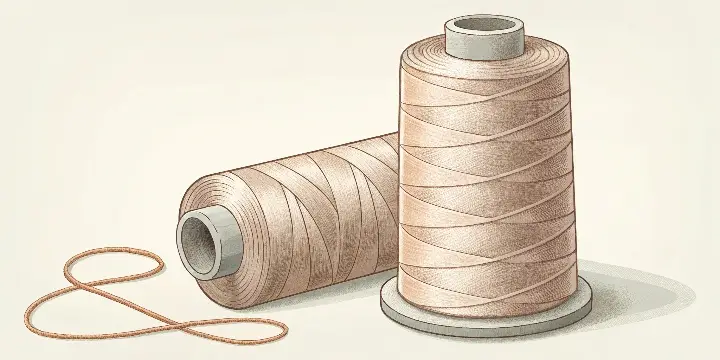
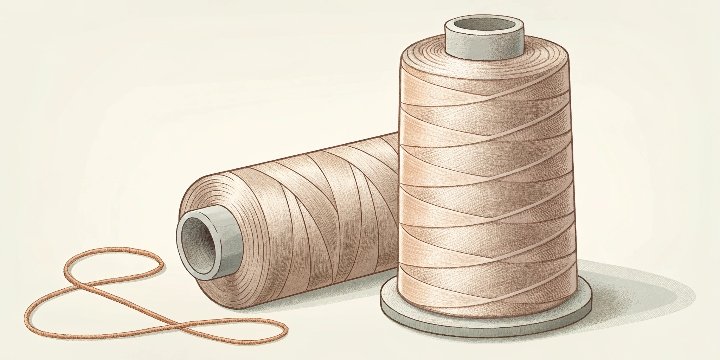
snippet paragraph: Polyester filament1 thread is strong, smooth, and great for durable seams2 in industrial sewing. Polyester staple3 thread is softer with a cotton-like finish, perfect for apparel where look and feel are key. Your choice depends entirely on your final product's needs.
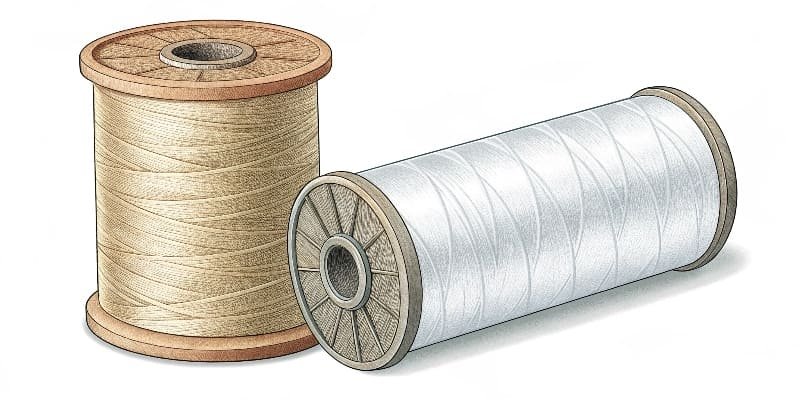
Transition Paragraph: I've seen this choice make or break product lines in my years in the textile industry. A strong seam on a leather bag needs a different thread than a soft seam on a t-shirt. It seems like a small detail, but it has a huge impact on quality, performance, and customer satisfaction. If you want to master this choice and elevate your products, you need to understand the core differences. Let’s dive deeper into what sets these two threads apart.
What Is the Difference Between Staple and Filament Fibers?
leading paragraph: The terms "staple" and "filament" sound technical and confusing. This confusion can lead to picking a fiber that works against your product's goals. I will simplify it for you.
snippet paragraph: The main difference is length. Filament fibers are very long, continuous strands, like a silk thread pulled from a cocoon. Staple fibers are short, chopped pieces, like raw cotton. These short fibers must be spun together to create yarn, which changes their properties completely.
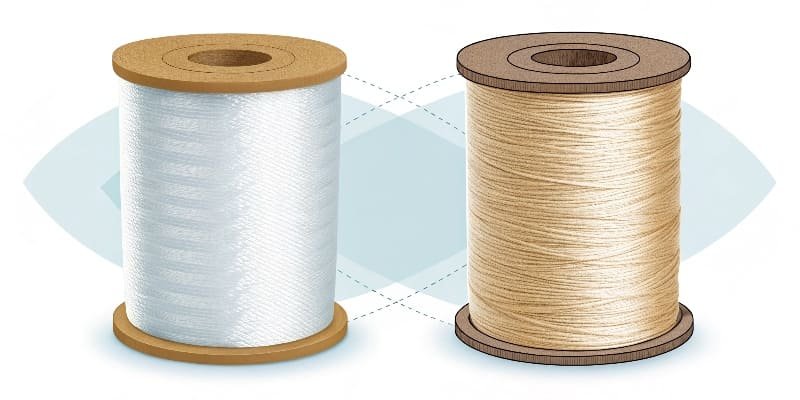
Dive deeper Paragraph: When I first started in a textile factory, this was one of the first lessons I learned. Seeing the raw materials made it all click. A filament fiber is created by extruding a liquid polymer through a tiny hole, creating one long, unbroken strand. Think of it like squeezing toothpaste out of a tube. This process gives it inherent strength and smoothness. Staple fibers are the opposite. They are short by nature, like cotton or wool, or they are made by cutting long man-made filaments into short, manageable lengths. These short pieces have a fuzzy texture and must be carded, combed, and spun to form a single, coherent thread. This spinning process introduces air and creates a softer, fuller, and less shiny yarn than its filament counterpart.
Core Fiber Characteristics
| Feature | Filament Fiber | Staple Fiber |
|---|---|---|
| Length | Continuous, measured in meters or even miles. | Short, measured in centimeters or inches. |
| Structure | A single, smooth, unbroken strand. | Many short fibers twisted together. |
| Feel | Smooth, sometimes silky or waxy. | Soft, fuzzy, and warm, like cotton. |
| Luster | Naturally higher sheen and luster. | Lower sheen, often matte or dull. |
Understanding this basic difference in their physical form is the key to knowing why the threads they create behave so differently during sewing and in the final product.
Is Polyester a Staple or a Filament?
leading paragraph: Many people assume polyester is just one type of material. This misunderstanding often leads to using the wrong thread for the job. Let me clarify this common point of confusion.
snippet paragraph: Polyester can be both. It begins its life as a long, continuous filament fiber. However, manufacturers can then chop these filaments into short staple fibers. So, you can find polyester yarn and thread in both filament and staple forms, each designed for different purposes.
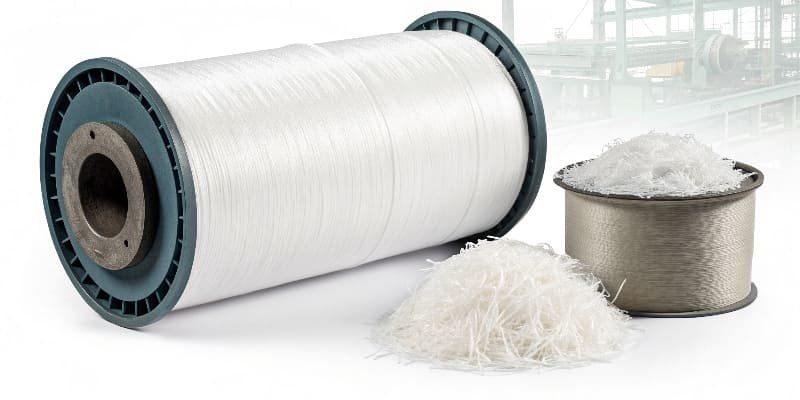
Dive deeper Paragraph: This is a question I get a lot from designers like Jacky, who are meticulous about their materials. The answer lies in the manufacturing process and the desired outcome. All polyester starts as a chemical liquid that is forced through a spinneret to create filament fibers. If we need a strong, smooth thread, we simply twist these filaments together. But why would we take these perfect, long filaments and cut them into short pieces? The answer is versatility. We do it to mimic the properties of natural fibers4, especially cotton. By cutting the polyester into staple lengths, we can spin it on the same equipment used for cotton. This creates a thread that has the strength and resilience of polyester but the soft, matte look and feel of cotton. This process also allows us to blend polyester staple with natural fibers like cotton to create yarns that offer the best of both worlds: the comfort of cotton and the durability and easy care of polyester.
The Purpose Behind the Form
| Polyester Form | Reason for Existence | Best Use Case |
|---|---|---|
| Polyester Filament | To leverage its inherent strength, smoothness, and high sheen. | Industrial applications needing durability. |
| Polyester Staple | To mimic the look, feel, and characteristics of natural fibers like cotton. | Apparel and textiles needing a soft hand. |
So, polyester isn't one or the other; it's a versatile material that can be engineered into either form to meet specific needs.
What Is Filament Polyester Sewing Thread?
leading paragraph: Your sewing machine is jamming, and threads are breaking, causing delays. This frustration is often due to using a low-strength thread. Filament polyester could be the powerful solution you're looking for.
snippet paragraph: Filament polyester sewing thread is a high-tenacity thread5 made by twisting together long, continuous polyester strands. The result is an exceptionally strong, smooth, and abrasion-resistant thread with low lint. It's the workhorse thread for heavy-duty and high-speed sewing applications.
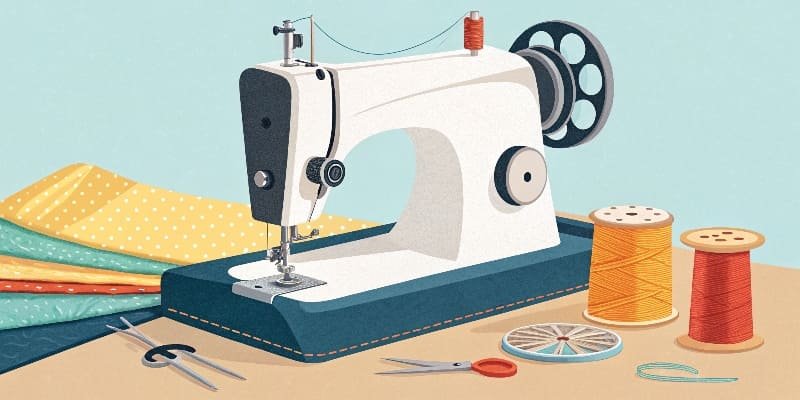
Dive deeper Paragraph: I remember a client who manufactured backpacks. They were getting customer complaints about seams ripping at the straps. They were using a standard spun polyester thread. I suggested they switch to a bonded polyester filament thread. The problem vanished overnight. This is because filament thread is built for stress. Its continuous fibers mean there are no weak points from spun ends, giving it superior strength. Its smooth surface creates very little friction as it passes through the needle and fabric at high speeds, which reduces thread breaks and needle heat. This "runnability" is a huge advantage in industrial settings. It’s also highly resistant to abrasion, UV rays, and mildew, making it the perfect choice for products that have to endure tough conditions. Think about the seams on car seats, leather sofas, luggage, sails, and outdoor tents. Those products require a thread that will not fail, and that thread is almost always polyester filament.
Key Benefits and Applications
| Benefit | Why It Matters | Common Applications |
|---|---|---|
| High Strength | Creates durable seams that resist breaking under tension. | Upholstery, Leather Goods, Footwear, Airbags |
| Smooth Surface | Runs smoothly on high-speed machines, reducing breaks. | Automated Sewing, Mattresses, Denim |
| Abrasion Resistance | Seams won't wear out from rubbing or friction. | Backpacks, Outdoor Gear, Tarps |
| Low Lint | Keeps sewing machines cleaner and reduces maintenance. | Quilting, Automotive, Geotextiles |
When durability is your top priority, filament polyester thread is the professional's choice.
So, What’s the Real Difference in Application?
leading paragraph: You know the technical details, but you're still at the store trying to decide which spool to buy. This is where the theory meets practice. Let me give you a practical guide.
snippet paragraph: The application difference is simple. Use strong, shiny polyester filament for things that need to last, like bags, shoes, and outdoor gear. Use soft, matte polyester staple for apparel where a natural feel and appearance are more important than maximum strength.
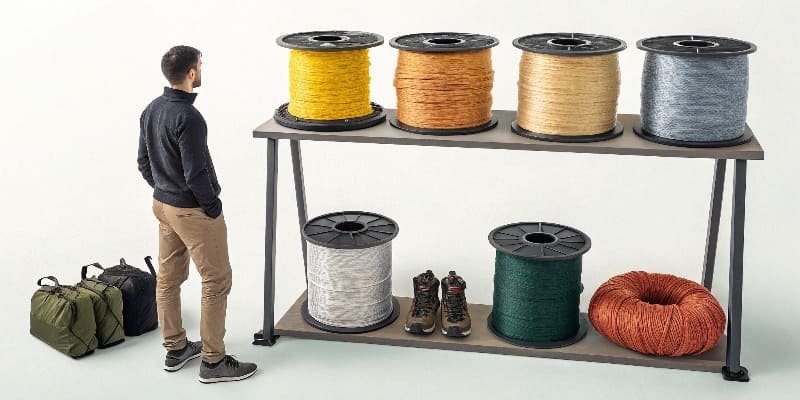
Dive deeper Paragraph: Ultimately, your choice comes down to balancing performance with aesthetics. You wouldn't use a rough, shiny thread on a delicate silk blouse, and you wouldn't use a soft, weaker thread to hold a heavy leather sofa together. I guide clients through this decision every day. The most important questions are: What fabric are you using? How much stress will the seam be under? And what should the final product look and feel like? A high-speed industrial machine sewing denim will perform best with a filament thread that can handle the speed and friction. A designer creating a line of high-quality cotton shirts will prefer a staple-spun polyester because it will blend seamlessly with the fabric's natural texture and won't have an artificial shine. The staple thread is also a bit weaker, which in some cases is a benefit—in a snag, the thread might break instead of tearing the delicate fabric.
Head-to-Head Application Guide
| Feature | Polyester Filament Thread | Polyester Staple (Spun) Thread |
|---|---|---|
| Primary Strength | Durability & Performance | Aesthetics & Feel |
| Appearance | High sheen, smooth, and uniform. | Low sheen, slightly fuzzy, "hairy" appearance. |
| Feel of Seam | Can be slightly stiff or waxy. | Soft and pliable, blends with fabric. |
| Best For Machines | High-speed industrial machines. | All machines, but ideal for standard or home sewing. |
| Example Projects | Leather goods, car upholstery, shoes, tents, denim jeans. | T-shirts, dresses, general apparel, quilting, light fabrics. |
Think of filament as the "engineer's thread" and staple as the "artist's thread." One is built for pure function, the other for look and feel. Choosing the right one shows a true mastery of your craft.
Conclusion
Choosing between these threads depends on your project. Use filament for strength and speed in heavy-duty items. Use staple for a soft, natural look and feel in apparel.
Explore the advantages of polyester filament for strong, durable seams in various sewing applications. ↩
Discover techniques for achieving strong seams that enhance the longevity of your sewing projects. ↩
Learn how polyester staple mimics natural fibers for a soft, comfortable feel in clothing. ↩
Learn about the differences between natural and synthetic fibers in sewing applications. ↩
Explore the benefits of high-tenacity threads for strong and reliable sewing. ↩
