
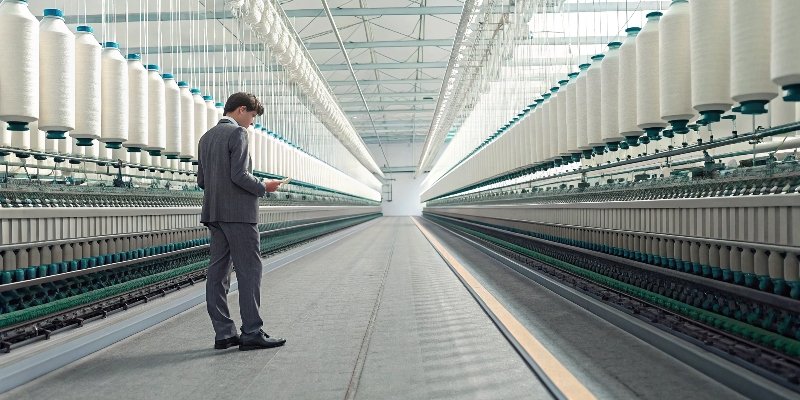
Summer's high heat and humidity make fibers sticky and tangled, hurting your production. This frustrating mess can even create dangerous fire hazards, putting your entire operation at risk.
To manage summer challenges, mills must control workshop temperature and humidity, ideally with HVAC systems. Regularly maintain machinery to prevent friction, manage raw material moisture, and enforce strict fire safety protocols, especially around electrical equipment and ignition sources, to ensure a safe and efficient operation.
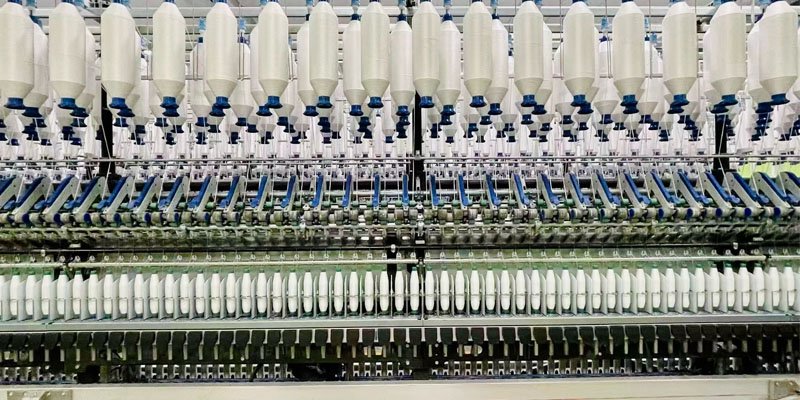
Solving these two issues might seem daunting, but it's really about breaking them down into manageable steps. I remember my early days on the factory floor, feeling the frustration of constant yarn breaks on a hot day. I learned that you can't fight the environment; you have to manage it. Over the years, I've developed a system for my own factory, Honghui Textile, that keeps production smooth and safe, even in the peak of summer. Let's dig deeper into the specifics of why these problems happen and the practical steps you can take to solve them.
Why Does Fiber Entanglement Become a Bigger Problem in Summer?
Sticky fibers are causing constant yarn breaks and slowing your entire line down. It feels like you're fighting the machines instead of working with them. Let's pinpoint exactly why summer makes this entanglement worse.
Summer brings high humidity, causing raw materials like cotton to absorb moisture. This increases friction between fibers, making them stick and tangle. High temperatures can also cause machine parts to heat up, adding to the problem, while worker fatigue can lead to operational errors.
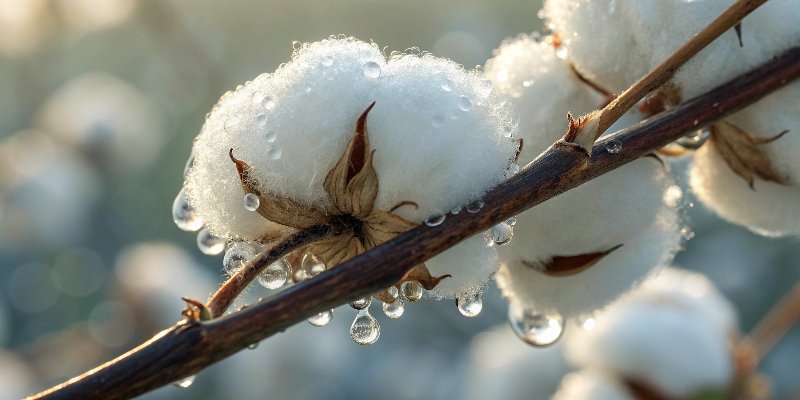
Tackling fiber entanglement requires a multi-faceted approach. It’s not just one thing, but a combination of factors related to your materials, your machines, and your people. When I first started my factory, a major shipment of cotton arrived during a rainy week. We didn't have a proper moisture control system then, and the resulting yarn was a disaster. It was full of neps and breaks. That costly mistake taught me to never underestimate the power of humidity. To effectively combat this, we need a structured plan that addresses each key area.
Raw Material Management
The primary culprit is moisture. When fibers absorb water from the humid air, they swell and their surfaces become stickier. This increases friction, making them cling together instead of drafting smoothly. The solution is to implement strict moisture testing for all incoming materials. Store them in a dry, climate-controlled area and use dryers for any stock that has become damp.
Environmental and Machinery Controls
Your machinery is also affected. High ambient temperatures in the workshop reduce the effectiveness of cooling systems, causing parts like rollers to run hot. These hot surfaces, combined with high humidity, create a sticky residue that snags fibers. The best solution is to install and maintain an effective HVAC system to keep conditions optimal. You must also increase the frequency of equipment maintenance. Regularly clean all machine parts and check surfaces for wear to ensure they remain perfectly smooth.
Operational Adjustments
The human factor is crucial. Summer heat leads to fatigue. A tired operator is more likely to make small mistakes, like setting incorrect tension or not cleaning the machinery thoroughly. You must provide training on handling summer conditions, schedule regular breaks, and ensure proper hydration. Standardizing cleaning procedures and checks also helps ensure consistency, even when the team is feeling the heat.
How Can You Strengthen Fire Prevention Alongside Production in Summer?
The summer heat increases fire risk in a factory filled with flammable fibers and dust. A single spark from faulty wiring or a careless act could become a disaster that destroys your business.
To bolster summer fire safety, focus on rigorous electrical management by regularly inspecting all wiring and equipment. Strictly enforce a no-smoking policy and control all potential ignition sources. Finally, ensure your team is well-trained with clear emergency plans and regular drills.
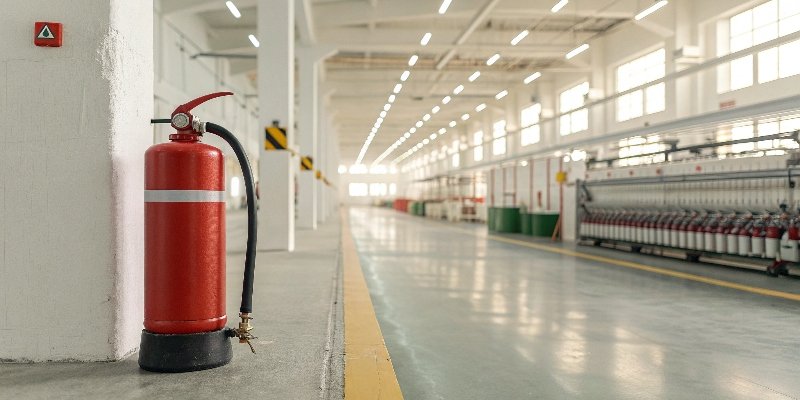
Fiber entanglement isn't just a production issue; it's a safety hazard. When tangled fibers accumulate on hot machine parts or electrical motors, they create a perfect fuel source for a fire. In the textile industry, we work with highly flammable materials every single day. We simply cannot afford to be complacent about fire safety, especially when the summer heat raises the stakes. I brought in our textile engineer, Jacky, to completely overhaul our fire safety plan. His 15 years of experience were invaluable. He emphasized that a fire plan isn't a document you file away; it's a living system that requires constant attention.
Critical Fire Safety Measures for Summer
A comprehensive fire prevention strategy protects your people, your assets, and your business continuity. It revolves around controlling hazards and being prepared to respond. Here’s a simple checklist to guide your efforts:
-
Electrical Systems: Conduct professional inspections of all wiring, panels, and motors. This is critical because it prevents overheating and short circuits, which are a leading cause of factory fires. Summer puts a huge strain on these systems, so regular checks are not optional.
-
Ignition Source Control: Enforce a strict no-smoking policy and use a permit system for any "hot work" like welding. This eliminates obvious sparks and open flames from areas filled with flammable materials.
-
Housekeeping: Perform regular, thorough cleaning to remove fiber dust from machines, floors, and overhead spaces. This removes the primary fuel source that can turn a small spark into a large fire. A clean factory is a safe factory.
-
Emergency Response: Develop a clear emergency plan and, most importantly, conduct regular drills. This practice ensures everyone knows how to react quickly and safely in a real crisis, which minimizes panic and potential injuries.
-
Employee Education: Hold regular safety meetings to discuss fire hazards and prevention tactics. This helps create a strong culture of safety where everyone feels personally responsible for preventing fires and knows what to do if one starts.
Conclusion
In summer, tackling fiber entanglement and fire hazards together is essential. By managing workshop humidity, maintaining equipment, and enforcing strict fire safety protocols, you can ensure your spinning mill operates both safely and efficiently. These proactive steps protect your production, your people, and your business.
