
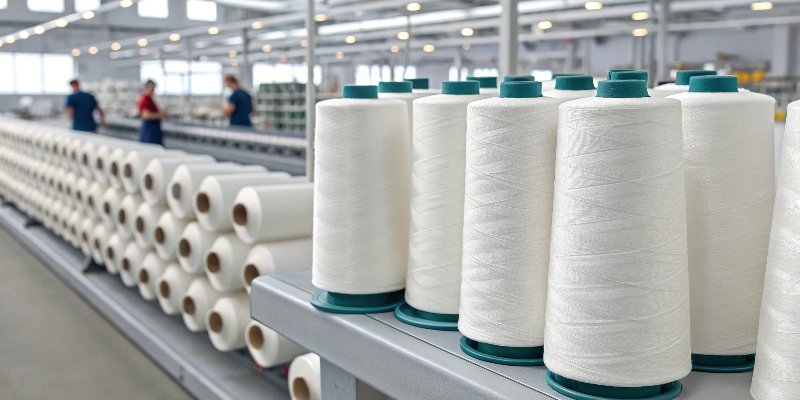
Are you focused on improving your yarn, but still finding defects in the final product? Maybe you are overlooking a critical stage that others often ignore.
The drawing and roving processes1 are not just intermediate steps. They are essential for creating uniform, high-quality yarn. Neglecting them is a common mistake that allows many defects to pass through into your final product.
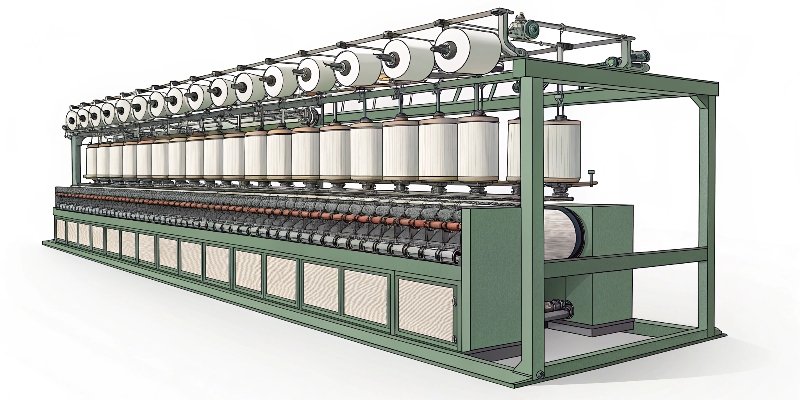
In my years in the textile industry, I have seen a common trend. Factory managers pour their best resources into carding and spinning2. They get the best equipment, the most skilled workers, and the most attention. Carding is called the "heart of spinning," and spinning shows the final output, so this focus makes sense. But this often leads to a dangerous oversight of the other processes. I believe all seven spinning processes3 are equally important. You cannot make yarn if one is missing. In fact, I've come to believe the drawing and roving stages are where many factories, striving for top-tier quality, fall short.
Are You Focusing Too Much on Just Carding and Spinning?
Do you invest heavily in your carding and spinning stages? Yet, do you still struggle with yarn defects4 that seem to appear out of nowhere, damaging your quality?
An over-emphasis on carding and spinning creates a blind spot. The drawing and roving stages are where yarn structure is formed. Neglecting them means you are failing to correct early imperfections and are likely creating new ones.
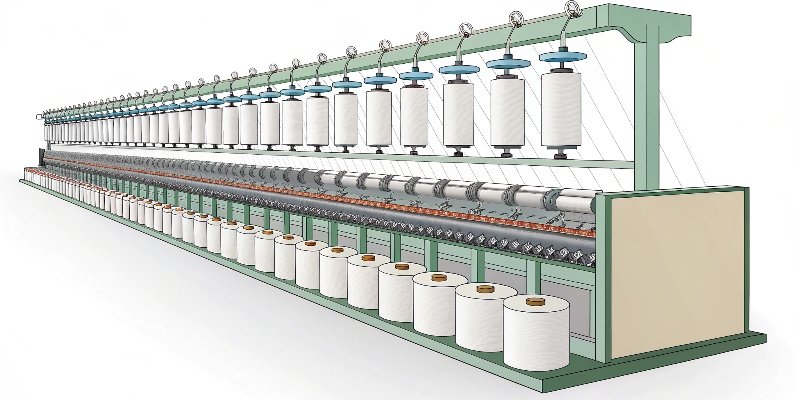
Many of my peers in the industry see drawing and roving as simple, transitional steps. I see it differently. Our team's biggest technical improvements started right here, in the drawing and roving section. From there, we worked backward to opening and carding, and forward to spinning. Why? Because the drawing and roving frames are huge sources of yarn defects. These small, nagging flaws are often the biggest hurdle preventing a good factory from becoming a great one. My experience shows that getting the quality of a drawing sliver and roving right is just as difficult, if not more so, than perfecting the carded sliver or the final spun yarn.
The Problem with an Unbalanced Focus
When a factory prioritizes only two processes, the others suffer.
- Talent and Training: The most skilled workers are often assigned to carding or spinning, leaving the "in-between" stages with less experienced staff.
- Equipment and Maintenance: New investments and the best maintenance schedules are reserved for the "important" machines, while drawing and roving frames might be overlooked.
- Management Attention: When managers walk the floor, their eyes are drawn to the beginning and the end of the line. Problems in the middle can go unnoticed for longer.
This creates an imbalance where the entire production line is only as strong as its weakest link. A perfect carded sliver can be ruined by a poorly-maintained drawing frame long before it ever reaches the spinning stage.
How Do You Balance the Importance of All Spinning Stages?
Are you finding it difficult to manage quality across your entire production line? Balancing attention and resources can be challenging, leading to inconsistent results and persistent problems.
Treat every stage of spinning as critical. Pay special attention to the drawing and roving processes, as the fiber is loose and highly sensitive to operational errors, equipment issues, and even environmental changes.
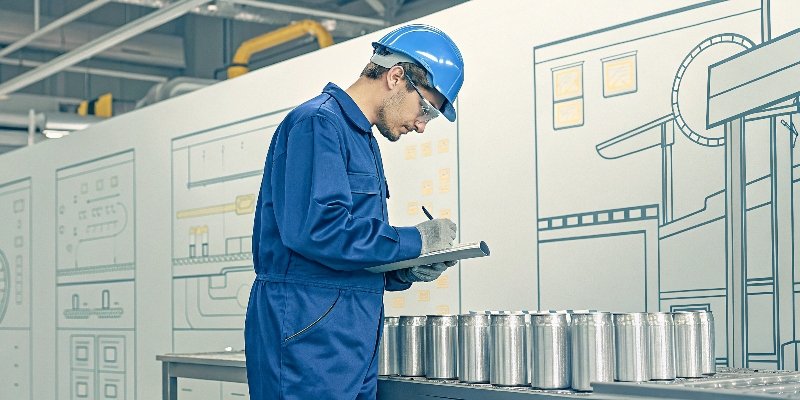
When I walk through my workshop, I spend a great deal of time observing the drawing and roving processes. Here, the fibers are still in a loose state. They don't have the strong, binding twist of final yarn. This makes them incredibly fragile and easy to disturb. I've seen operators accidentally bump a sliver can while moving it. In most factories, nobody thinks twice about this. But in a factory aiming for high-end quality, this is an error that must be eliminated. The bump disrupts the fiber arrangement, creating a flaw that will become a slub or weak spot in the final yarn. This is just one of many small, often ignored operational mistakes that create big problems.
The Sensitivity of the "In-Between" Stages
The loose state of the fiber in drawing and roving makes these steps uniquely sensitive.
- Operational Discipline: Small, careless actions from operators have a huge impact. Improper handling, incorrect piecing, and bumping slivers all create defects. Managers must be extremely vigilant here.
- Process Parameters: Because the fiber bundle is not yet controlled by twist, settings for drafting, tension, and roller pressure have a very direct and obvious effect on the semi-finished product's quality.
- Environmental Control: All stages are affected by temperature and humidity, but none more so than drawing and roving. Incorrect climate control can cause static, fiber fly, and lapping, immediately damaging the sliver's evenness. The impact is more severe and noticeable here than in other processes.
Here is how I view the distribution of risk and control:
| Process Stage | Fiber State | Control Method | Sensitivity to Error |
|---|---|---|---|
| Carding | Loose Web | Mechanical Action | High |
| Drawing/Roving | Loose Sliver | Roller Drafting | Extremely High |
| Spinning | Twisted | Twist & Tension | High |
Maybe I pay too much attention to drawing and roving. There's no perfect answer. But I am certain that many in our industry pay far too little.
Conclusion
To achieve top-tier yarn quality, you must see the spinning process as a single, interconnected system. Value every stage equally, and give extra care to the sensitive drawing and roving steps where true consistency is born.
Understanding these processes is crucial for improving yarn quality and reducing defects. ↩
Learn why these processes are often prioritized and how they relate to overall yarn quality. ↩
Learn about the various spinning processes and their importance in yarn quality. ↩
Discover strategies to identify and eliminate defects in yarn production. ↩
