
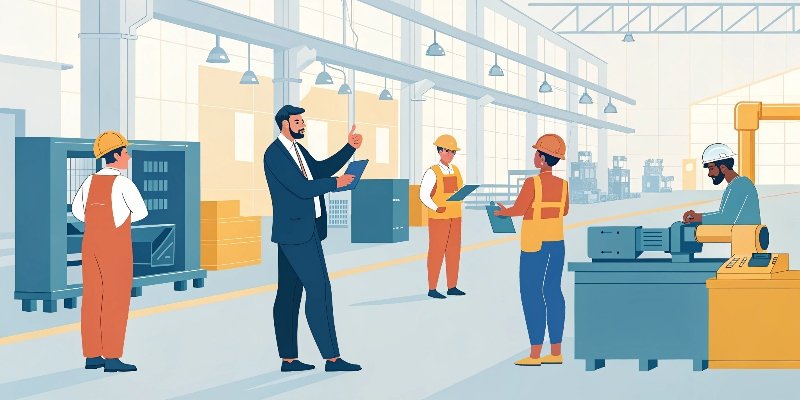
Is running your yarn factory feeling chaotic and overwhelming? This disorganization can lead to missed deadlines, low morale, and inconsistent quality, directly hurting your business's success.
Effective factory management comes from creating clear rules and principles, then strictly enforcing them. Focus on balanced production schedules, strong quality control systems, and clear guidelines for your employees.
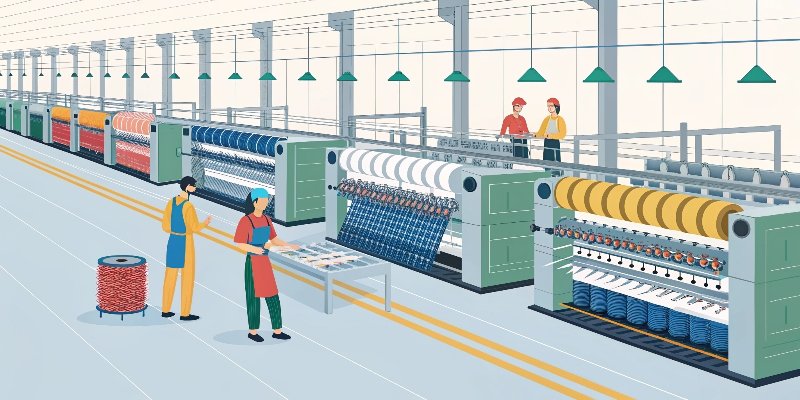
When I first opened my factory, I tried to manage everything myself without many formal rules. It was a disaster. Production was always behind, quality was a gamble, and my team seemed confused. I quickly learned that my passion for textiles wasn't enough. I needed a system. I had to step back and create a clear, simple set of rules for everything, from how we order materials to how we clean the floor. It was a turning point. A well-managed factory doesn't run on luck; it runs on clear, consistent procedures that everyone understands and follows.
How Do You Control Production Quality?
Are you constantly fighting quality issues in your finished yarn? These problems can lead to returned orders and damage your reputation, making you feel like you are always one step behind.
To truly control quality, you must be meticulous. This means tracking raw materials from the moment they are ordered, implementing strict checks during production, and ensuring all equipment is in perfect working order.

I'll never forget a large order we almost lost because of a quality issue. We found inconsistent strength in the final yarn. After a stressful investigation, we traced the problem back to a single batch of raw cotton that wasn't up to our standards. We hadn't tracked it properly upon arrival. That costly mistake taught me that quality control isn't just about inspecting the final product. It's a continuous process that starts before the fiber even enters the factory. Now, we have a system for everything.
Track Raw Materials Diligently
Your final product can only be as good as your starting materials. You must have a system to guarantee a steady supply of high-quality fiber. This means you need to track your orders from the supplier to your warehouse. You should also have an incoming inspection process to test materials before they are accepted into production. This prevents low-quality fiber from ever reaching your spinning machines, saving you major headaches later.
Implement Strict In-Process Checks
You cannot wait until the end to check for quality. Quality must be built into every step. Train your employees to be your first line of defense. They should constantly check the yarn as it moves through carding, drawing, and spinning. Establish clear quality standards and checkpoints. We use simple, written records at each stage. This way, if a problem occurs, we can pinpoint exactly where and when it started, and fix it immediately.
Maintain Equipment for Peak Performance
Your machines are the heart of your production. If they are not running properly, they will produce defective yarn. Require your operators to perform daily checks on their equipment before starting their shift. A simple checklist can make a huge difference. Regular, scheduled maintenance is not a cost—it is an investment in quality. It prevents breakdowns and ensures the machinery runs smoothly and consistently, which is essential for producing uniform yarn.
Here's a simple breakdown of a quality control system:
| Control Area | Key Actions | Expected Outcome |
|---|---|---|
| Raw Materials | Track orders, inspect incoming fiber | Consistent material input, fewer starting defects. |
| In-Process | Set clear standards, use checklists at each stage | Early defect detection, process accountability. |
| Equipment | Daily operator checks, scheduled professional maintenance | Reduced downtime, consistent yarn production. |
How Can You Best Manage Workshop Employees?
Is your workshop team lacking discipline and motivation? This can result in a messy workspace, ignored procedures, and a general lack of care for the work, which ultimately impacts your whole operation.
The key to managing employees is a combination of strict discipline and strong leadership. You need clear rules, fair assessments, and an effective system of rewards and punishments. Most importantly, you must lead by example.
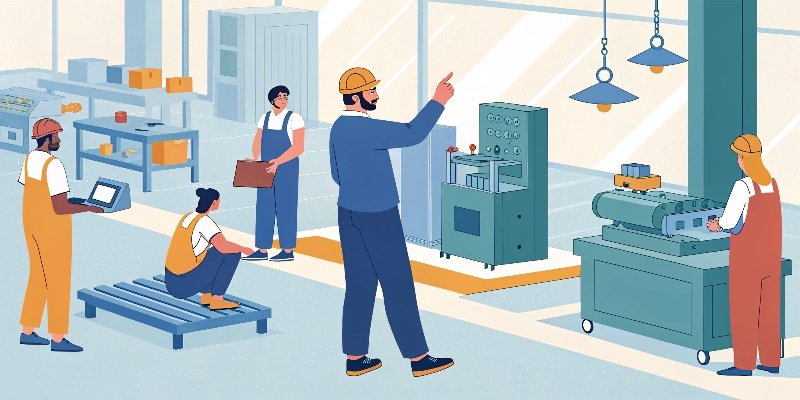
I learned early on that you cannot just tell people what to do; you have to show them. If I want the workshop to be neat, I can't leave my own office a mess. If I expect my team to follow safety rules, I need to be the first one to put on my safety hat. When employees see that the manager lives by the same rules they do, it builds trust and respect. This encourages everyone to work together for the good of the company. It transforms the factory from just a place to work into a team with a shared goal.
Establish Clear Rules and Discipline
A factory needs order to function. This starts with creating a clear set of rules for everything from safety procedures to how materials should be stacked. We keep our rules simple and visible. But rules are useless if they are not enforced. You need a system of strict assessments. Performance should be measured regularly. Good work should be rewarded, and violations of the rules should have clear, fair consequences. When people know what is expected and see that the rules apply to everyone, it creates a disciplined and efficient environment.
Empower Through Responsibility and Training
Give your employees ownership of their workspace. Task them with the responsibility of keeping their areas clean and orderly—what we call "civilized production." Also, make them responsible for the health of their equipment. Train them to perform daily checks and report any issues immediately. When employees feel responsible for their machines and their space, they take more pride in their work. This proactive approach helps prevent major issues and keeps the entire production line moving smoothly.
Lead from the Front
As the owner or manager, you are the most important person in setting the tone. Your team is always watching you. You must be the best example of the behavior you want to see. Follow every rule, every time. Show up early. Talk to your employees. Listen to their concerns. When you show that you are committed and that you are working just as hard as they are, it builds powerful morale. This positive energy is contagious and inspires everyone to give their best effort.
Conclusion
In summary, successful factory management relies on a foundation of strict, well-enforced rules. By leading by example and maintaining discipline in production, quality, and staff management, you build a thriving and effective operation.
